Quince Trees
Cydonia oblonga
At the turn of the 20th century, almost every rural family had a fruiting quince tree. The varieties we offer have delightful floral aromas and powerful citrus-like flavors, with notes of lemon and grapefruit. While they are rarely eaten fresh, they are. . . SHOW MORE
Cydonia oblonga
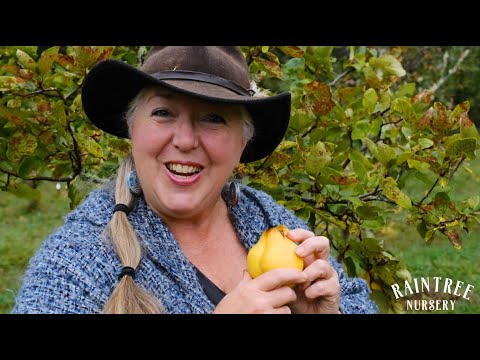
At the turn of the 20th century, almost every rural family had a fruiting quince tree. The varieties we offer have delightful floral aromas and powerful citrus-like flavors, with notes of lemon and grapefruit. While they are rarely eaten fresh, they are prized for cooking: jelly making, baking, poaching, sauces, liquors, and adding to apple cider. They store beautifully when kept in a cool and dark basement or garage - and don't forget to tuck one into your car, to enjoy the surprise of quince's powerful sweet and flowery aroma each time you open the door on a warm day!
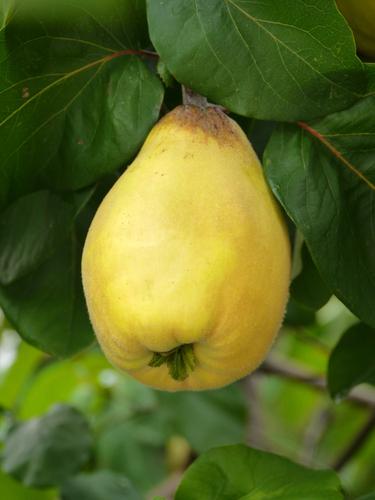
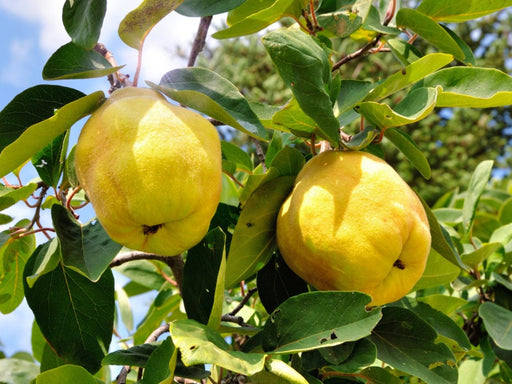
Quince trees are self fertile, have big, showy, white blossoms on the tips of their branches in late spring and clear yellow leaf color each fall. Very large, bright yellow fruit ripens in October and can hang like lanterns on the tree. Widely adapted and disease-resistant; now you can rediscover what your grandmother valued about this hard-to-find fruit! USDA Zones 5 and up.
Flowering quinces, Chaenomeles speciosa, are a different genus from fruiting quinces and while they both make fruit, they do not cross pollinate with each other.
SHOW LESSCrimea™ Quince
Cydonia oblonga 'Krymskaya' Crimea quince, also called Krymskaya, is a high quality Ukrainian cultivar. Prized among the many varieties for it's de...
View full detailsVan Deman Quince
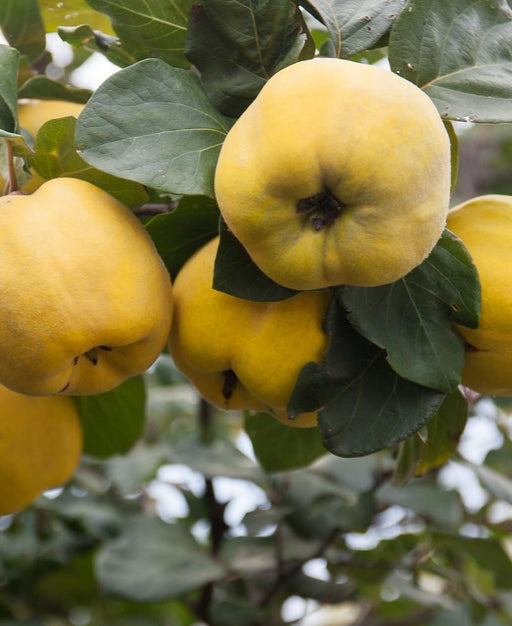
Cydonia ablonga 'Van Deman' Developed by famed plant breeder Luther Burbank in the late 1800s, Van Deman continues to be a standard against which a...
View full detailsAromatnaya Russian Quince
Cydonia oblonga 'Aromatnaya' North American gardeners can now enjoy a quince with a pineapple-like flavor that is sweet enough to eat fresh. The me...
View full details